

Sex Differences in
the Healthy Brain
Background
Although substantial work has identified multiple ways in which one's sex impacts health and disease, we still do not fully understand the underlying neurobiological mechanisms that give rise to sex differences in the healthy brain as it develops over time, and how these differences change during the aging process.
Developmental and pubertal sex differences impact how the brain ages and sets the stage for brain changes over reproductive aging and risk for age-related neurodegenerative diseases.

Understanding sex differences in the healthy brain is a critical first step toward understanding what processes go awry in psychiatric and neurologic disorders with known sex differences.
Our Work

Female brain - working memory

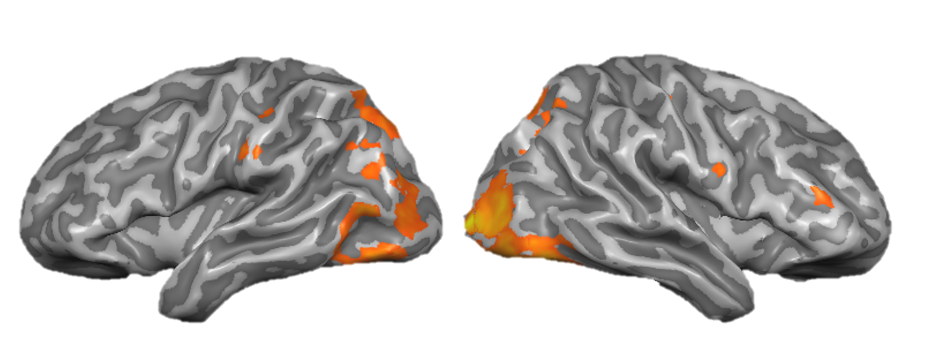
Female Brain - Spatial Memory
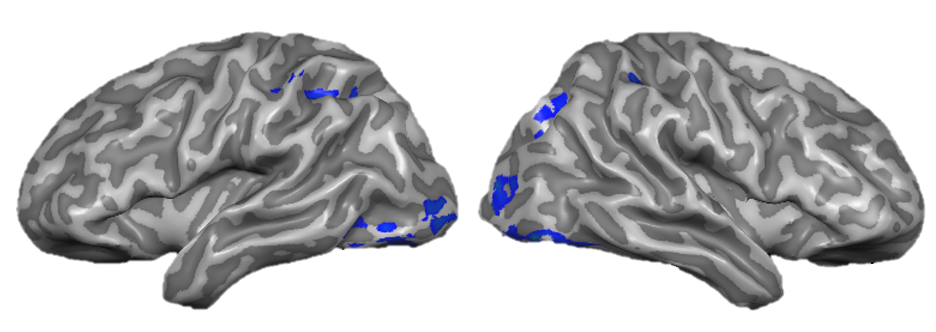
Male Brain - Spatial Memory
Our team investigates fetal and neonatal programming of sex differences in the healthy brain and expression of sex differences in adulthood. We examine hormonal, immune, and genetic regulation of brain morphology/function using multi-modal MRI/dMRI technologies and associated physiology. We use a lifespan approach, given that we have followed a unique prenatal cohort for over 30 years who are now (in 2026) aging into their 60’s.
A Sample of Key Findings
One.
Gonadal hormonal and genetic/genomic processes that regulate the sexual differentiation of the brain during key periods of fetal development have enduring effects on sex differences in structural and functional brain circuitries in healthy adults.
Two.
Circulating gonadal hormones have significant effects on brain activity in stress response circuitry in healthy women across the menstrual cycle.
Three.
Normal variations in menstrual cycle changes in women significantly contribute to explaining sex differences in stress response circuitry in healthy adults, which begins post-puberty in early adulthood. Women have a natural capacity to regulate the stress response that differs from men.
Four.
Brain connectivity in response to stress differs between women and men. When exposed to stress, women are more likely to activate limbic regions while men activate cognitive control regions. In both sexes, this response is associated with levels of gamma-aminobutyric acid (GABA; the primary inhibitory neurotransmitter) in prefrontal cortex. Even when women and men rate their subjective feelings of stress similarly, the neural circuitry underlying the response differs.
Five.
Sex differences in working memory and episodic memory circuitries begin in early adulthood and are retained across the lifespan, with implications for the impact of reproductive aging on memory decline (see section on Healthy Aging).
Highlighted Works.
Normal sexual dimorphism of the adult human brain assessed by in vivo magnetic resonance imaging
Sex differences in prefrontal brain activity during fMRI of auditory verbal working memory
Different patterns of cortical activity in males and females during spatial long-term memory.